

Supportive Oncology Services

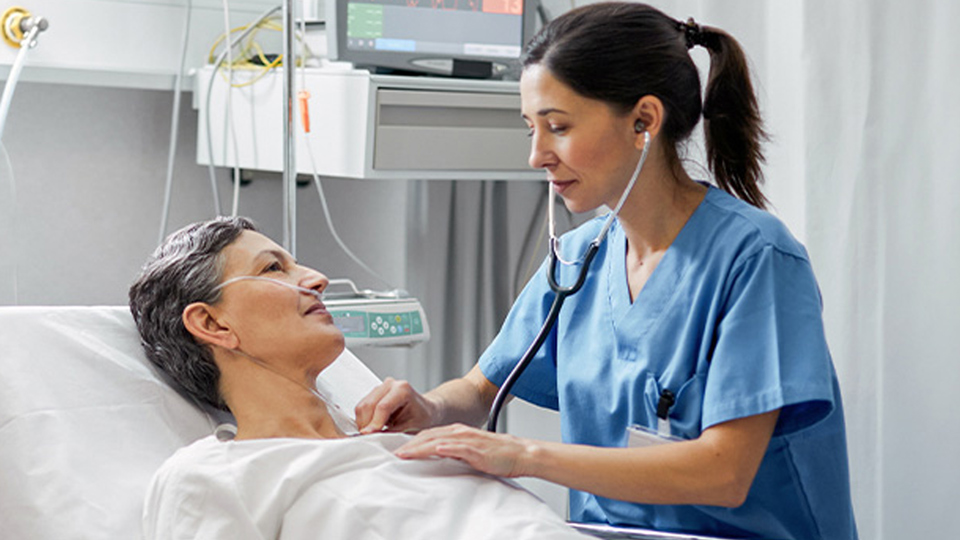
ECMC’s Supportive Oncology Services are designed to provide patients with a full array of services as they continue their journey and ensure that every need they have is accounted for and provided with compassion and kindness.
Nutrition needs often change after receiving a cancer diagnosis, and it can be challenging to figure out the best foods and beverages to consume throughout your treatment and into your recovery. Registered Dietitian Nutritionists (RDNs) are specially trained to help patients navigate their changing nutritional needs with Medical Nutrition Therapy.
What is Medical Nutrition Therapy?
MNT is an evidence-based, individualized nutrition plan to help manage certain medical conditions such as cancer.
There are many foods, beverages, and nutritional supplements specifically designed to nourish your body while undergoing cancer treatment. Finding the right ones can help you stay strong and feel better throughout your treatment process.
Symptoms a dietician can help manage:
- Loss of appetite
- Weight Loss
- Nausea and vomiting
- Diarrhea and constipation
- Difficulty chewing or swallowing
- Taste changes
- Dry mouth and mouth sores
- Weakness and fatigue
Often, cancer can affect your ability to consume enough nutrition orally, and you may require a feeding tube. This is an excellent option to help maintain or improve your nutritional status.
As part of your support team, our Registered Dietitian Nutritionist is happy to answer any nutrition-related questions that you or your family members may have.
All current ECMC oncology patients have access to ECMC oncology nutrition services. Please contact your medical team and request to speak with a dietitian.
Advancing Care Through Oncology Research At its core, cancer research is the study of human health and illness. Our primary goal is to pioneer new treatments through behavioral insights, medicine, and innovative therapeutic techniques. By deepening our understanding of disease, we can improve how we prevent, detect, diagnose, and treat cancer.
Our center offers a diverse range of clinical trials and studies with varying levels of commitment. These include:
- Biorepositories: Specimen collections cataloged for future scientific breakthroughs.
- Quality of Life Assessments: Detailed questionnaires used to evaluate and improve the patient experience.
- Medical Devices: Rigorous testing of new technology for safety and performance.
- Drug Treatments: Trials for newly developed medications to ensure their effectiveness.
Through collaboration with community partners and sponsors, we provide unique research options for our patients. Our priority remains clear: encouraging early detection, alleviating treatment side effects, and offering tomorrow’s therapies today.
Contact: studyteam@ecmc.edu
At Erie County Medical Center (ECMC), our Psychosocial Support is an interdisciplinary team comprised of Oncology Social Workers, psychologists, and nurse navigators, working collaboratively to address the emotional, social, and practical needs that arise throughout the cancer journey. Our team is committed to providing compassionate, comprehensive care for patients and families as they navigate the challenges of cancer. We strive to empower patients and their loved ones by offering personalized support that promotes emotional well-being, informed decision-making, and access to essential resources.
Counseling & Emotional Support
Our team ensures that patients can be connected to counseling services based on individual needs, to manage stress, anxiety, and emotional challenges. We create a safe space for coping, adjustment, and resilience throughout the cancer journey.
Support Groups
Attending a cancer support group can be helpful at every stage of your cancer journey. While your needs change over time, the sense of connection and shared understanding remains valuable throughout. Seeing people at different stages of treatment or recovery can make the road ahead feel more manageable. They help create a long-term connection with a community that understands without explanation.
Education & Advocacy
Our team assists with educating patients and families about treatment options, coping strategies, and available resources. We advocate for patient rights, assist with insurance and financial concerns, and help navigate complex healthcare systems to reduce barriers to care.
Crisis Intervention
During medical or emotional emergencies, our team offers immediate support and stabilization. We help patients and families manage urgent situations, coordinate with the healthcare team, and ensure timely access to critical resources.
Resource Navigation
Social workers connect patients to essential community resources such as financial assistance, transportation, housing, and other programs. We will guide families through practical challenges, ensuring access to support services that ease the burden of care.
End-of-Life Planning
With compassion and sensitivity, oncology social workers assist patients and families in advance care planning, hospice coordination, and emotional support during end-of-life transitions. The goal is to honor patient wishes and provide dignity and comfort.
Our team understands that cancer care extends beyond medical treatment. We work closely with other members of the healthcare team to ensure comprehensive and coordinated care, addressing emotional, social, and practical needs through every stage of treatment.
You are considered a cancer survivor from the time of diagnosis through the balance of your life. There are many different types of cancer survivors: those who are living with cancer, and those who are free of cancer. Survivorship is a state of being that includes the unique perspective, needs, health wellness, physical, psychological, social, economic, and spiritual challenges experienced by those who are living with cancer and caregivers.
Survivorship Care Plan
A document that will be completed by your oncology survivorship team that provides a treatment summary, health risks you may face after your treatment, follow up recommendations for your cancer, and screening recommendations for other cancers. It is a communication tool that can be shared with your other care team members, including your primary care team.
We offer comprehensive care for all people who have/have had cancer. It begins at diagnosis and has a goal of assessing and reducing the impact of cancer and its treatment.
- Surveillance of the physical, emotional, and psychological effects including prevention or late effects.
- Surveillance for recurrent/ new cancers
- Promoting health behaviors
- Assessing, preventing, and managing chronic conditions that may have been worsened by cancer and its treatment
- Care Planning
- Coordinating care between health team and members
- Genetic risk assessment
Our team focus is to ensure patients and their families have the dedicated support from our medical staff and supportive teams beyond initial diagnosis and treatment. We are here to help guide you towards healing and thriving.
A Cancer Support Service focused on preserving and restoring swallowing and communication function for patients with head and neck cancer.
Speech & Swallowing Therapy at ECMC’s Center for Cancer Care provides specialized evaluation and treatment for patients experiencing swallowing (dysphagia) and communication changes related to head and neck cancer and its treatment.
Our focus is on preserving and restoring safe swallowing and functional communication before, during, and after cancer treatment. We work closely with surgical, medical, and radiation oncology teams to deliver coordinated, patient-centered care throughout the cancer journey.
Conditions We Treat
We specialize in swallowing and communication changes associated with:
- Head and neck cancer
- Radiation therapy
- Surgical interventions (including partial or total laryngectomy)
- Tracheostomy
- Treatment-related changes impacting swallowing safety and communication
Diagnostic Services
We offer advanced assessments to evaluate swallowing function and guide individualized care:
- Clinical swallowing evaluations
- Modified Barium Swallow Study (MBSS)
- Fiberoptic Endoscopic Evaluation of Swallowing (FEES)
- Videostroboscopy (as part of multidisciplinary laryngeal assessment when indicated)
Treatment & Support Services
Each patient receives a personalized care plan based on their diagnosis, treatment stage, and goals. Services may include:
- Swallowing therapy and rehabilitation
- Therapeutic exercises to improve strength and coordination
- Compensatory strategies to support safe swallowing
- Diet and liquid consistency modifications
- Pre-treatment counseling to establish baseline function and prepare for expected changes
- Post-treatment rehabilitation to support recovery of swallowing and communication
- Tracheoesophageal puncture (TEP) management and voice prosthesis training
- Electrolarynx training and alaryngeal communication methods
- Ongoing collaboration with oncology and surgical teams
When to Seek Care / When to Refer
Early referral—especially before and during treatment—can help prevent complications, support better outcomes, and improve quality of life.
Patients or providers should consider referral for evaluation if any of the following are present:
- Difficulty swallowing food, liquids, or pills
- Coughing, choking, or a sensation of food “sticking” when eating or drinking
- Unintended weight loss or reduced oral intake during or after treatment
- Changes in communication following head and neck cancer treatment
- Planned head and neck cancer surgery or radiation (for baseline evaluation and education)
- Total laryngectomy patients requiring TEP management, voice prosthesis support, or electrolarynx training
Why This Matters
Swallowing and communication changes are common in head and neck cancer care and can significantly affect nutrition, safety, and quality of life. Early evaluation and specialized rehabilitation can help patients maintain function, reduce complications, and improve overall outcomes.
Location
The Barry & Deanna Snyder Dialysis and Medical Office Building
Department of Head and Neck/PRS – 2nd Floor
462 Grider Street
Buffalo, NY 14215
Patient Information & Appointments:
(716) 898-3073
Palliative care is a specialized form of care that provides symptom relief, comfort and support to people living with serious or chronic illnesses. It also provides support to caregivers and those impacted by a loved one’s condition. Our focus is on improving your quality of life.
The Palliative Medicine and Supportive Care Team, on the campus of ECMC, offers consultation for patients living with serious illness. Our team provides an extra layer of support for patients and families across the continuum of care, including inpatient, outpatient, and post-acute care.
Palliative Medicine and Supportive Care is available to patients of all ages and through all stages of serious illness: from diagnosis, through the ups and downs of disease-directed and potentially curative care, and sometimes through the end of life. Unlike hospice, which people often associate with end-of-life care-palliative care can benefit people early in the course of their disease, while still receiving curative care.
Our team of experts helps people with serious illness live their best life possible by:
- Treating the physical, emotional, and spiritual challenges of serious illness.
- Exploring and understanding each person’s unique priorities, hopes, worries, and preferences, to ensure that their treatment plan honors their values.
- Providing support to patients and their loved ones throughout the course of living with serious illness.
Palliative care helps you to make better care decisions that positively impact your life and can improve health-related outcomes. Research has shown that palliative care is associated with:
- Improved patient and caregiver satisfaction
- Improved quality of life
- Less anxiety and depression
- Longer life expectancy
If you’re interested in getting more information about what care options are available to you or a loved one or to learn what resources may be available, please ask your Provider to place a referral for you to speak with a member of the Palliative medicine & Supportive care team.
Our team offers consultation and support for patients with serious illness anywhere in the hospital, including medical and surgical care units, Jonah Cancer Center, the Intensive Care Units, and the Emergency Department. We also supervise the care of those patients with serious illness who reside in Terrace View long-term care nursing home. Here we manage complicated pain and other symptoms of serious illness, often, depending on patient and family needs, through the end of life.
Additional Info
LOCATION
The Barry & Deanna Snyder Dialysis
and Medical Office Building
Cancer Care, 2nd Floor
462 Grider Street
Buffalo, NY 14215
CONTACT
Patient Info & Concerns
(716) 898-3073
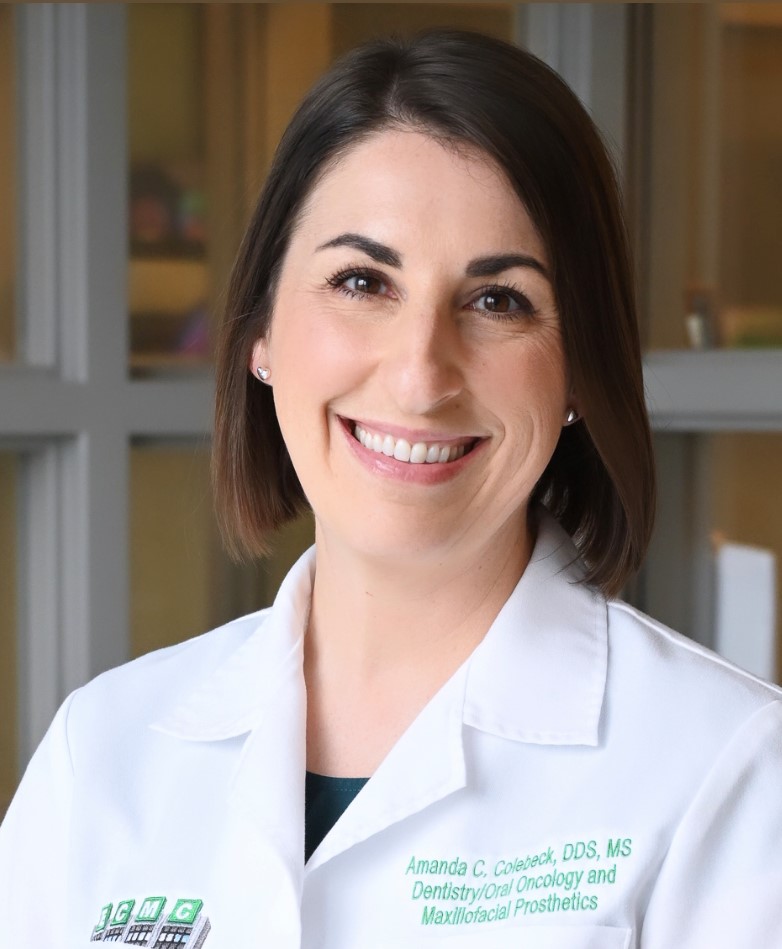
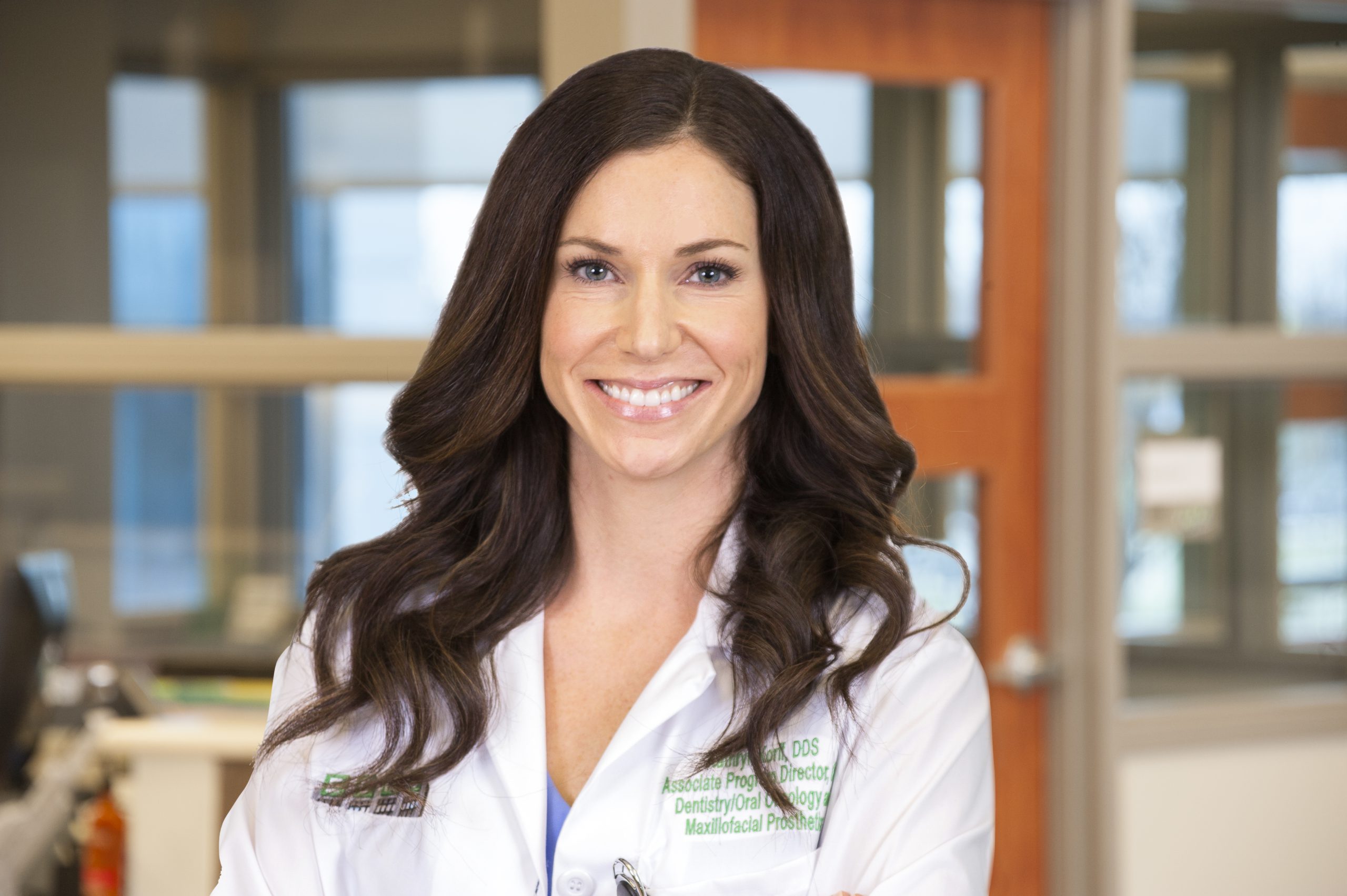
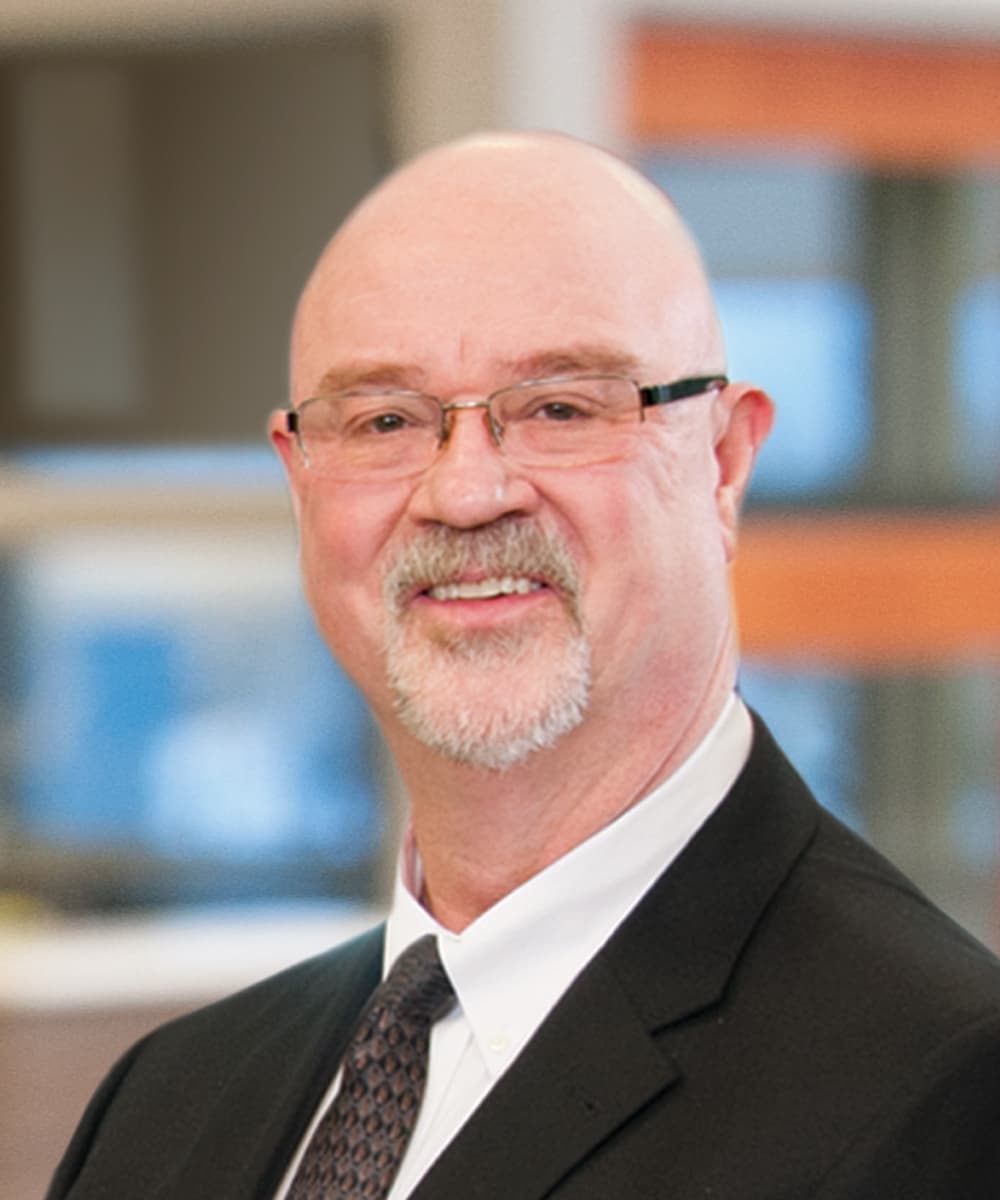
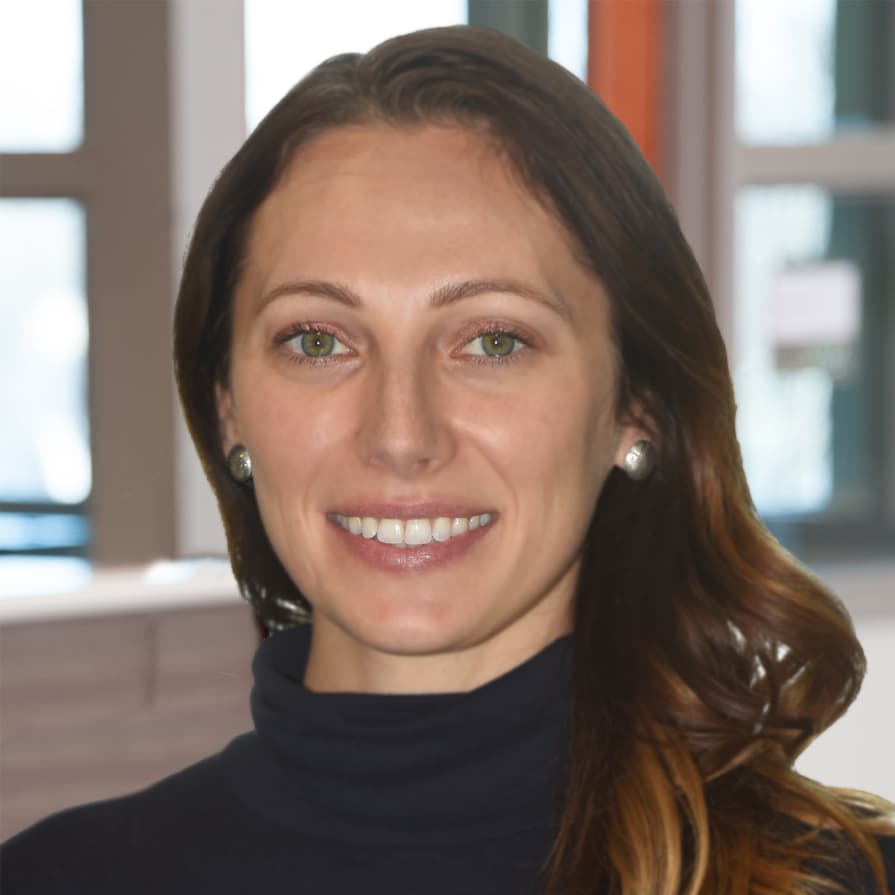
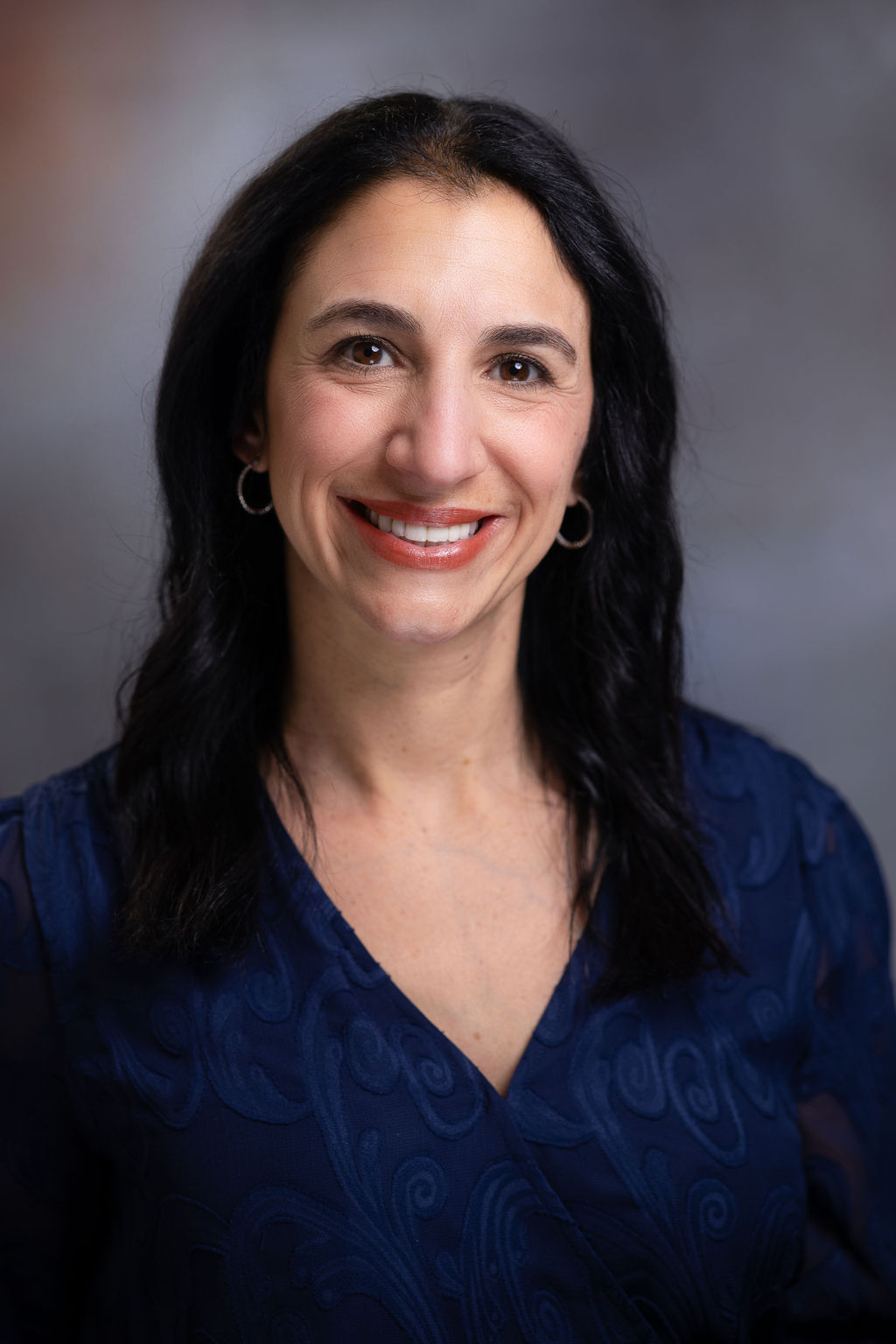
Our Doctors
Additional Cancer Care Services
Breast Oncology
Directed by Dr. Vivian Lindfield, founder and director of Western New York Breast Health, the Center’s multi-specialty team delivers comprehensive, cutting-edge, and compassionate care to patients who have breast cancer—any type and stage—or are at risk of developing it.
Cervical Cancer Screening
Cervical Cancer Screening provides accessible, patient-centered screening and education to help detect cervical cancer early and support better health outcomes. ECMC emphasizes the importance of regular screening while ensuring patients feel informed, comfortable, and in control of their care.
Head & Neck Oncology
Our head and neck specialists, including surgeons, radiation oncologists, medical oncologists, and dental oncologists, are committed to delivering expert care in a compassionate manner.
Medical Oncology & Chemotherapy
The Jonah Center is a part of the Center for Cancer Care where cancer specialists offer expert chemotherapy, hematology, and other treatments that emphasize a comprehensive approach to cancer care.
Oral Oncology & Maxillofacial Prosthetics
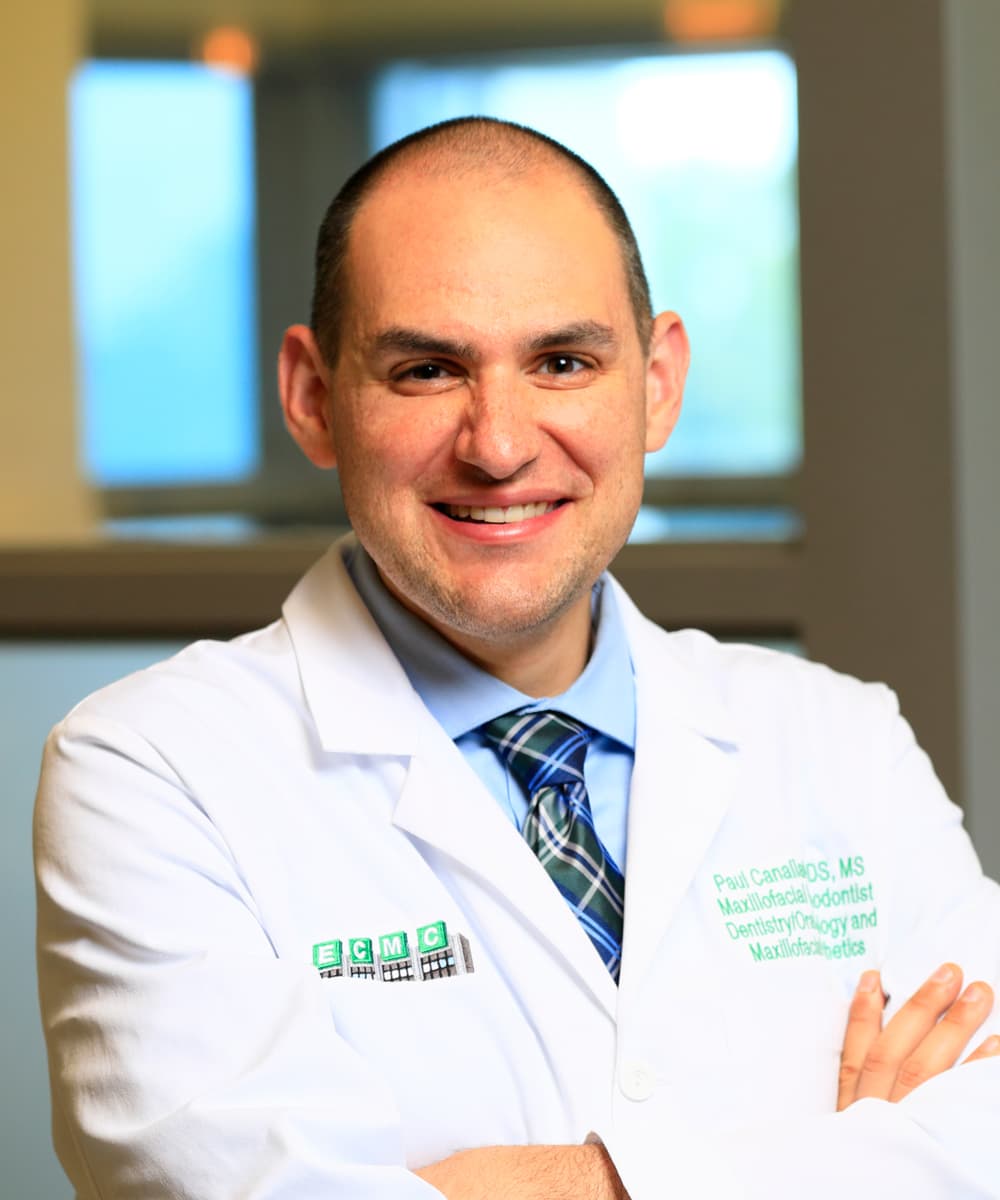
Our team specializes in diagnosing, treating, and managing oral cancers. We provide a range of services such as oral cancer screening, oral and maxillofacial surgery, cancer care side effect management, plastic and reconstructive surgery, and maxillofacial prosthetics.
Plastic Surgery & Reconstructive Surgery
For patients facing either abnormal function or appearance after trauma or illness, the Center offers specialty plastic surgery and reconstructive surgery to restore a sense of normalcy and wellness.
Thoracic Oncology & Surgery
The ECMC Division of Thoracic Surgery is a highly skilled service in the Center that features many state-of-the-art cancer-related technologies, including the Ion endoluminal system, which is a robotic-assisted platform for minimally invasive biopsy in the lung that has broadened our capability at early detection and treatment of lung cancer, providing a much safer and faster way in diagnosing early-stage lung cancer.